
When she was little, Gia Hân often spent hours alone in what looked like a “battlefield” of dismantled toys: loose batteries, thin wires, and tiny parts scattered around her. She would patiently tinker with them, trying to assemble the pieces into something new, like a small handheld fan that could spin using salvaged batteries. The adults around her sometimes watched with puzzled expressions, wondering why a little girl like Hân was so fascinated by such fiddly things. At times, they were even worried when she asked for a lighter, glue, or a bit of money to buy small electronic components. In many people’s minds, anything involving electricity or machines simply wasn’t a “typical” interest for a girl.
That little girl is now a third-year student majoring in Information Technology, specialising in Software Engineering at Hồ Chí Minh University of Technology and Education. She is pursuing her dream of becoming a software engineer and hopes to apply artificial intelligence to future technology products. Hân’s journey is not simply a story of natural talent, as many might assume, but a long journey of understanding who she is and staying committed to what she believes in, even when that choice goes against the expectations of those around her.
Hân’s interest in engineering did not start in a formal classroom. It began with a deep, instinctive curiosity: wanting to know what was inside a toy, why it moved when you pressed a button, or why a light turned on when you connected to a battery. YouTube was her first teacher. She watched lectures online, experimented on her own, made mistakes, and tried again – sometimes spending hours just to get a small handheld fan to spin using batteries salvaged from old toys.
These childhood habits slowly sparked her love for engineering subjects. Yet in the beginning, most of that journey relied on a ton of effort – and a bit of boldness.
“The first time I learned about programming was in grade 8, when we studied Pascal. It was really hard to understand. I felt like I wasn’t good at it, so I asked my teacher for extra help. I thought that if I competed in the student programming contest, the teacher would have more time to guide me compared to the other students. So, I decided to try, even though I knew I would be competing with ninth graders. I spent the entire summer studying and eventually won First Prize at the district level.”
Growing up in a rural area, Hân faced many challenges carrying a dream that was somewhat unconventional. She didn’t have access to modern laboratories or technology clubs. In her community, work involving electricity, machines, or repairs was usually considered men’s work, while girls were expected to choose “stable” and “gentler” careers. A girl who loved wires, motors, and programming, like Hân, often raised more eyebrows than encouragement.
When she entered high school, the pressure of university entrance exams meant that most of her time had to focus on exams. The hours she once spent exploring engineering gradually faded, and there were moments when she felt she was drifting away from the excitement that had once fueled her motivation.
Advice suggesting she choose subjects “more suitable for girls” was rarely ill-intentioned, but it was enough to make her question herself: Was she going down the wrong path?
Instead of letting that question extinguish her dream, Hân chose to confront her abilities honestly. She continued studying independently, proactively asking teachers whenever she didn’t understand something. She accepted that she wasn’t perfect and patiently filled in the gaps in her knowledge. Winning first prize in Informatics never made her complacent. Instead, it reminded her that if she had reached that point through effort, there would be no reason to stop simply because of stereotypes.
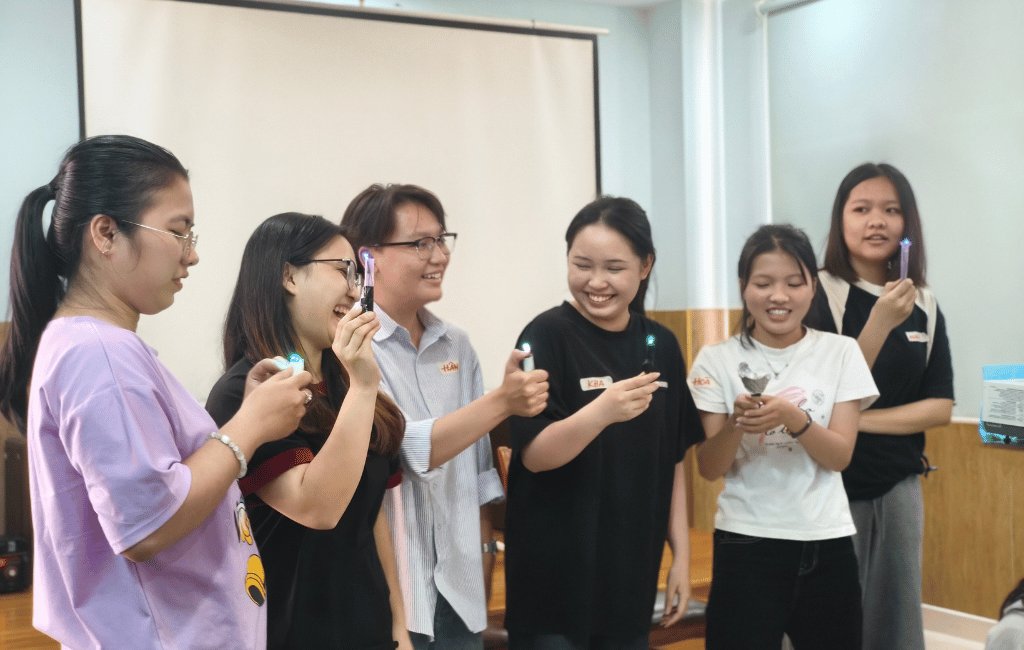
“I used to be a student who loved STEM but didn’t have enough opportunities to develop it. That’s why I want to help create opportunities for younger students.”
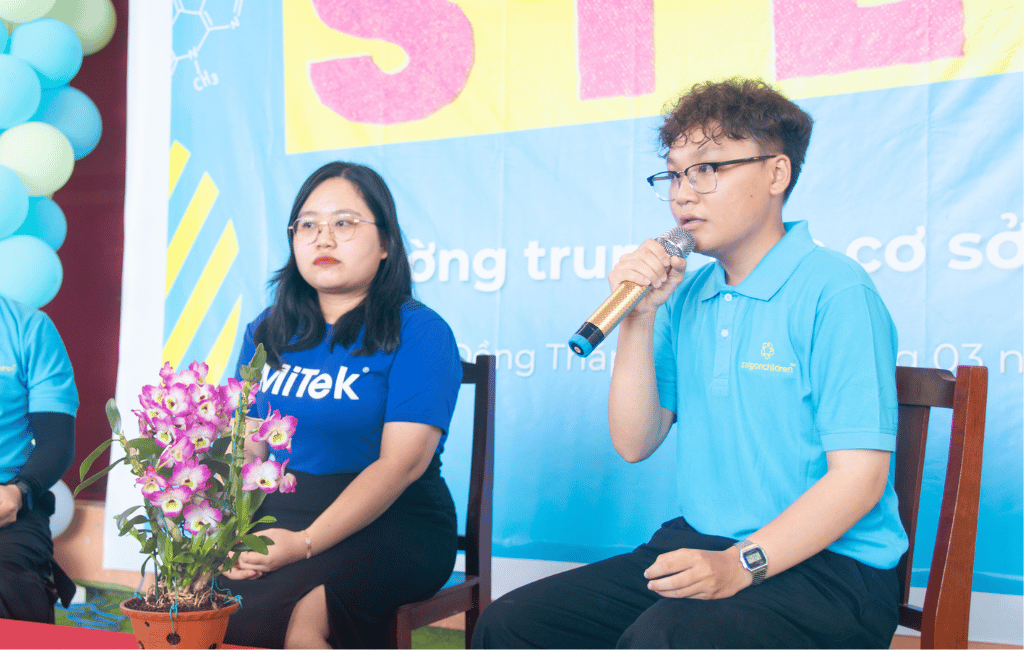
Today, besides her university studies and research on software projects, including work involving sensors and hardware integration, Hân also participates in STEM education activities under the PowHERful in STEM 2026 project organised by Saigon Children’s Charity and MiTek.
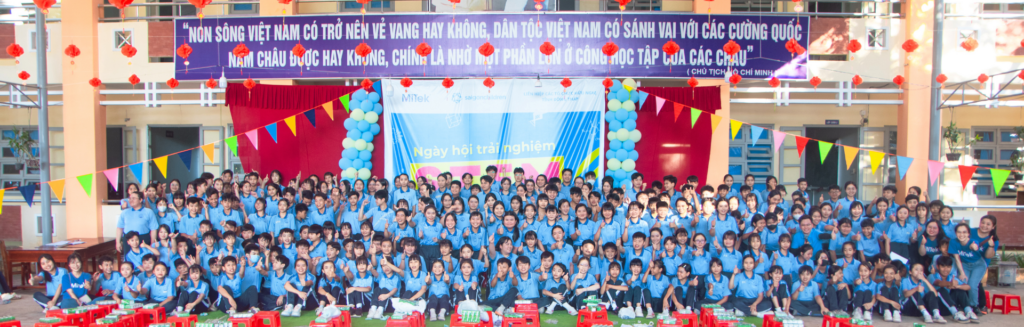
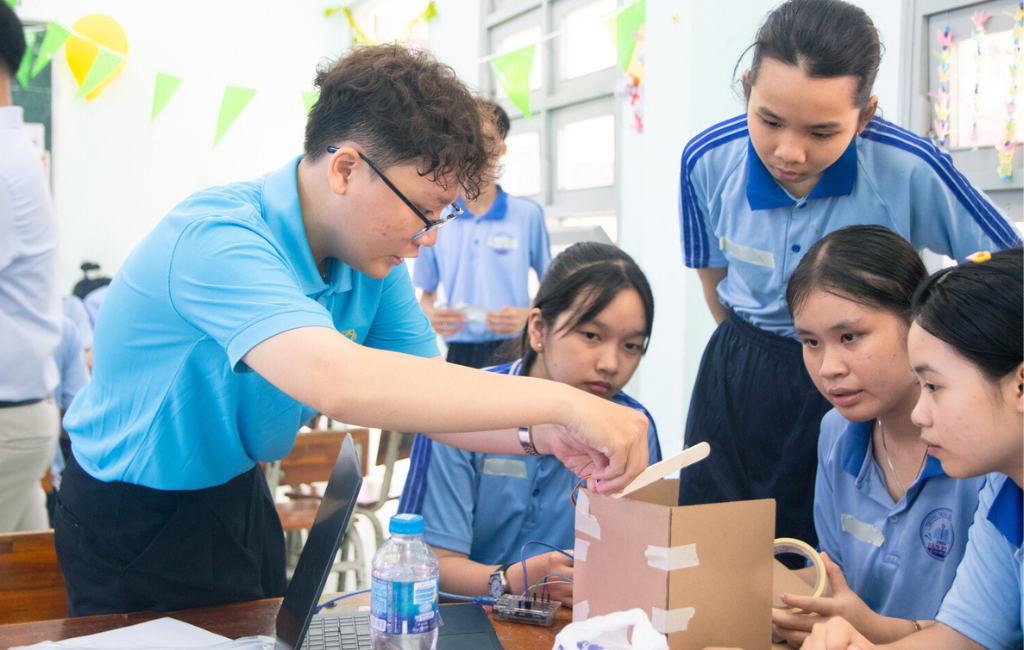
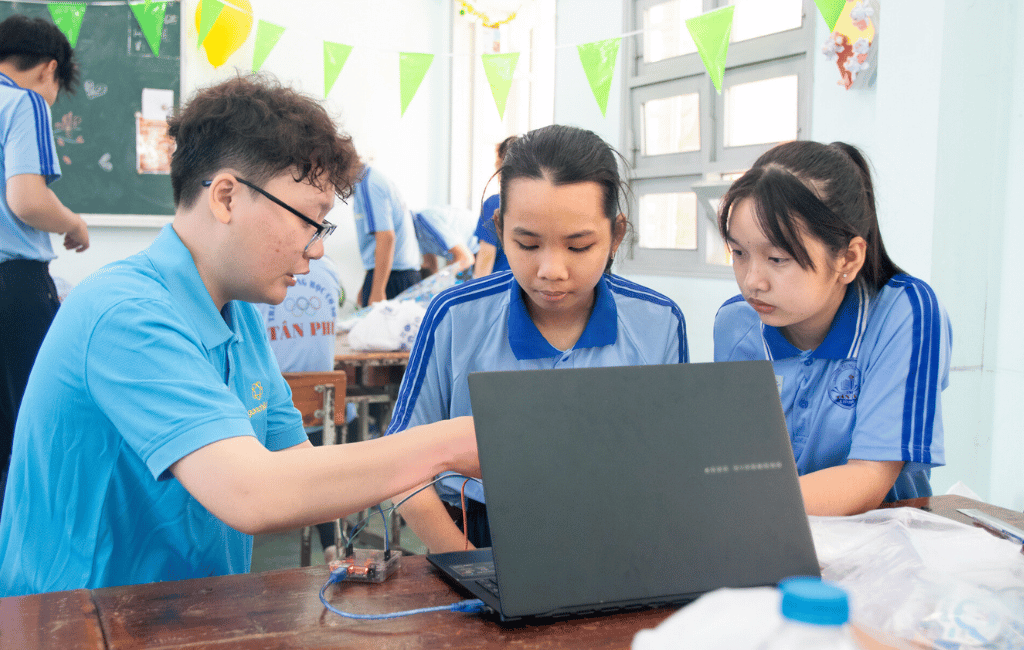
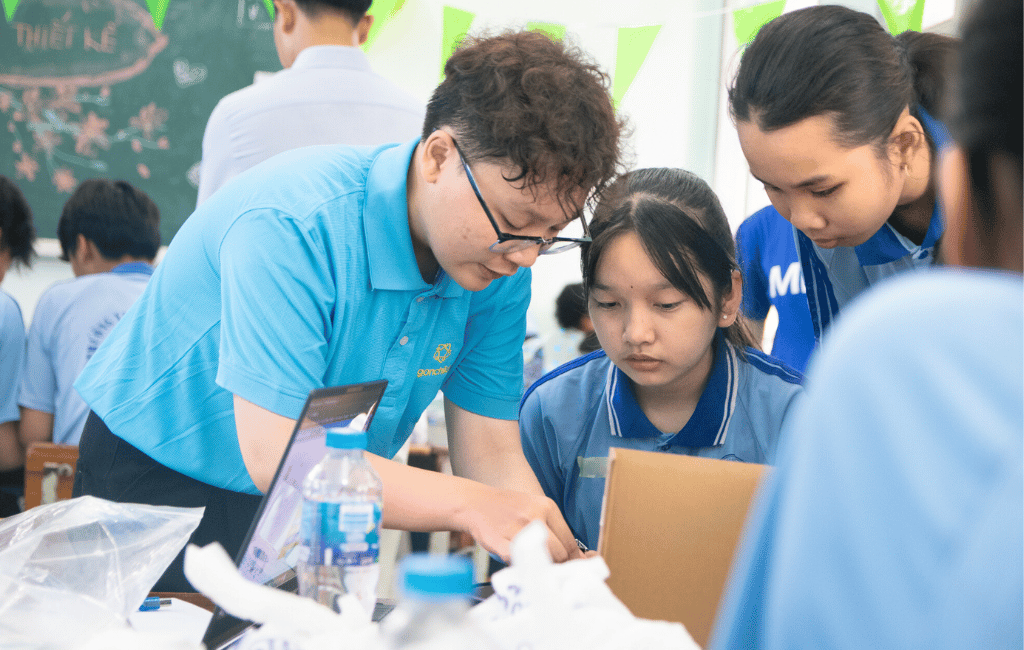
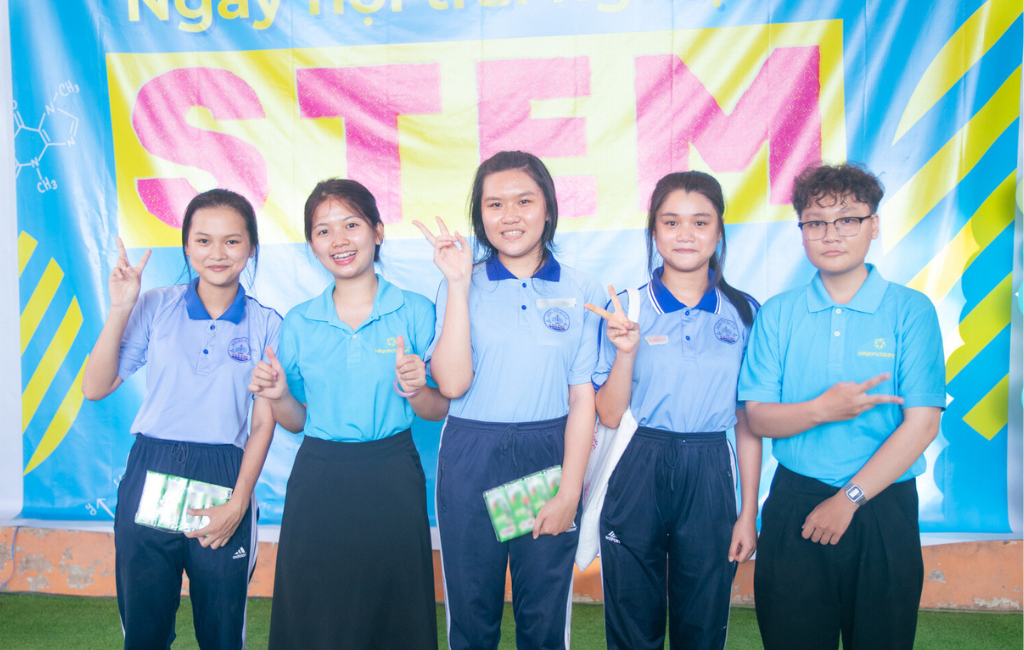
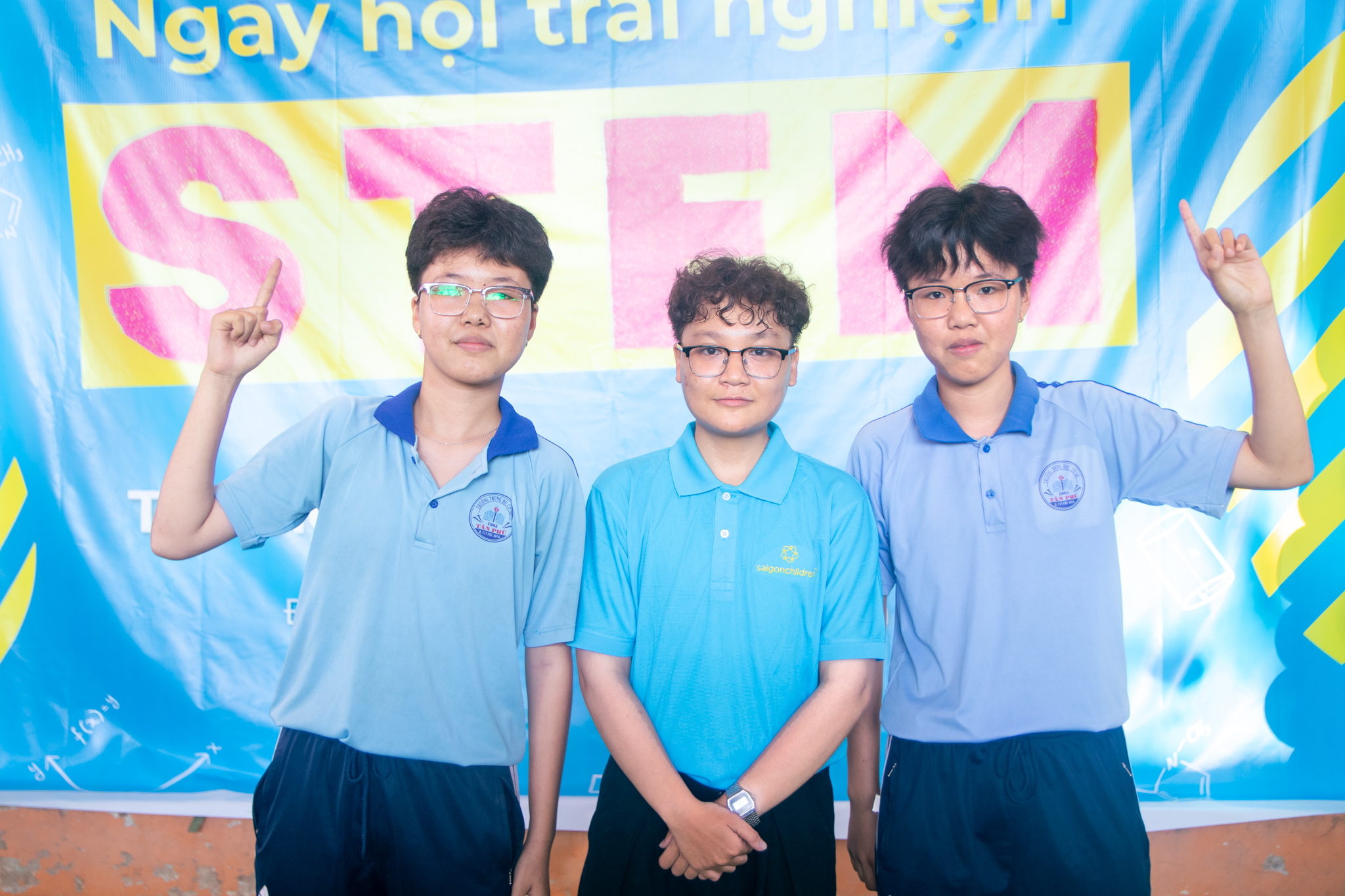
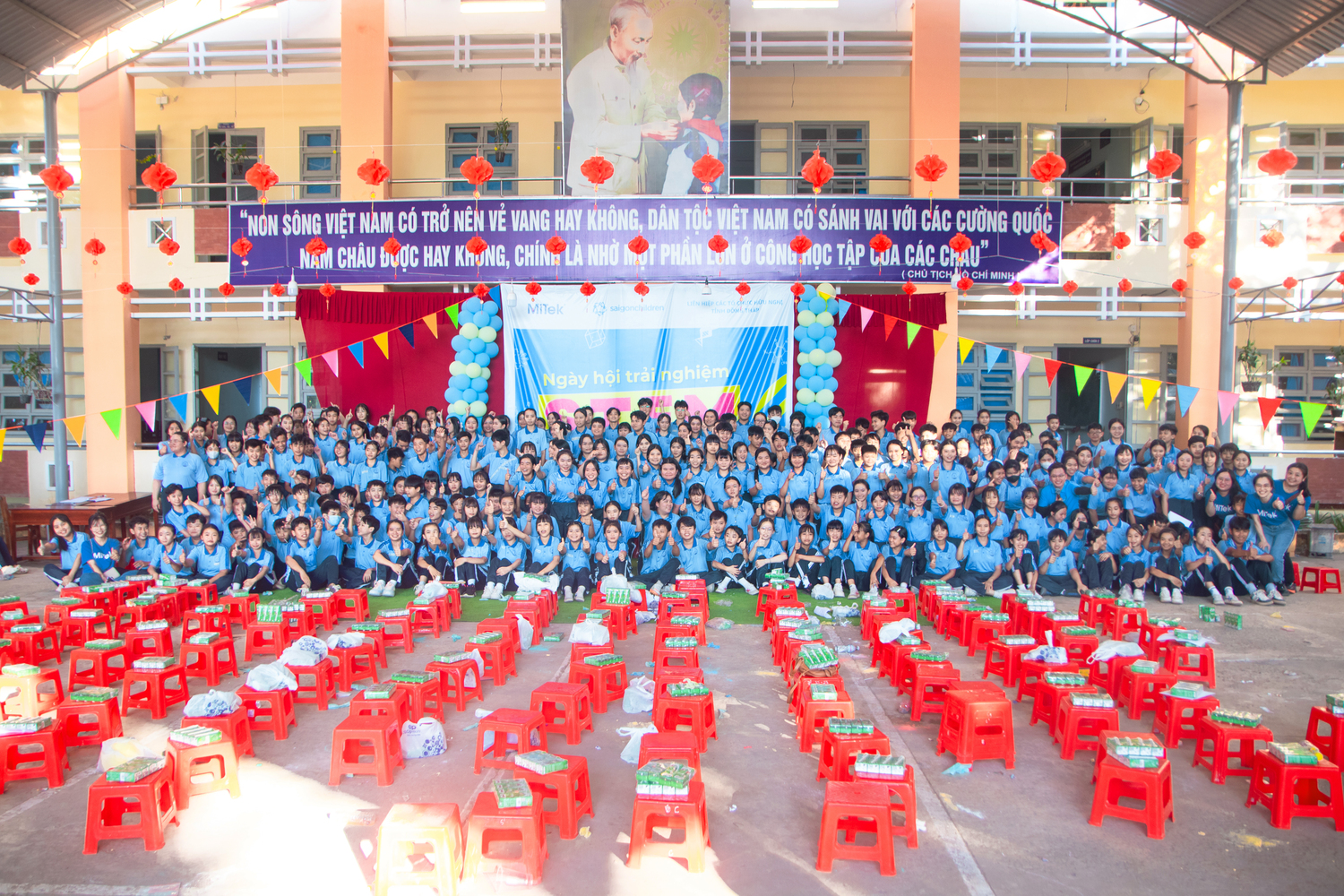
Currently, Hân, together with 49 other girls in the project, is playing a key role in a series of STEM Days for lower secondary students across the Mekong Delta. On 1 March, the first event took place, where Hân stood before the students as a mentor, presenting and guiding them through hands-on technical models she had helped build during the training sessions.
Standing in front of younger students as a mentor was both exciting and nerve-racking for Hân. Seeing their curiosity and enthusiasm for STEM made the experience especially meaningful. From a young girl once fascinated by building models, Gia Hân is now beginning to pass that same love for engineering and technology on to the next generation.
“When I was younger, I used to wonder why I liked STEM when no one around me encouraged it. In middle school, things like wires and assembling devices didn’t sound ‘feminine’ enough to interest girls. But when I came to university in Ho Chi Minh City, I met many girls who are very gentle and feminine but also excellent in engineering.”
“That’s when I realised that I have the right to do what I enjoy and to use my strengths, instead of living according to society’s stereotypes. What matters is knowing who you are, not what gender you are.”
Let's connect